Product concept testing FOR YOUR ICP
Before you build it, find out what buyers see.
Your team can see the roadmap. Your buyers see another decision competing for their time and money. Explore the problem, appeal, and barriers behind a concept before treating enthusiasm as demand.
REQUEST RECEIVED
Your request is in.
Our team will review your question and audience, prepare your sample report, and email it to you.
This is just a quick taste. To run full simulations, book some time with us.
Book a Demo ↗START WITH THE DECISION
What is product concept testing?
Product concept testing explores how an intended audience understands and responds to an idea before the product is fully built or launched. A concept usually describes the user, problem, proposed solution, and relevant tradeoffs. Research can expose unmet needs, misunderstandings, and adoption barriers. Gather helps structure that investigation and request a team-prepared report. Stated interest or a simulated reaction is not proof of purchase.
Bring the decision.
Add the ideas you want to compare and the people whose perspective matters. Use the example if you want a starting point.
Get a clear test brief.
See your question, audience, approach, and evaluation criteria immediately. This is a brief you can use, not a research result.
Request your report.
Share your email if you want to continue. Gather’s team prepares your simulated sample report, or scopes a real interview study with you.
A QUESTION WORTH ANSWERING
Know what a better answer looks like.
Problem intensity
Understand when the problem occurs, how it is handled today, and what makes it costly or frustrating. A familiar problem is not always an urgent one.
Concept comprehension
Check whether the audience understands the proposed experience without an explanation from the product team. Identify assumptions people fill in for themselves.
Value over alternatives
Explore what makes the concept better than an existing product, a workaround, or doing nothing. Compare the benefit with the effort required to obtain it.
Adoption friction
Identify concerns about cost, trust, setup, habits, compatibility, or internal approval. Separate a desirable outcome from a solution someone would realistically adopt.
AN EXAMPLE BRIEF, NOT RESEARCH FINDINGS
Evaluate these concepts for need, usefulness and adoption barriers:
A: Weekly meal plans built around food already in your fridge.
B: Weekly meal plans that build a grocery list around your budget.
Audience: US parents who cook at home and plan household grocery shopping
01 / A BETTER TEST
Describe an experience, not a collection of attractive features
A useful concept gives someone enough context to judge its role in their life or work. Describe the situation, intended user, action, and benefit in plain language. Keep alternatives comparable in detail and tone. A polished concept with a strong brand name can outperform a rough description because of presentation, even when the underlying idea is less useful.
For B2B, include the workflow and the people affected by adoption. A manager may value a dashboard while the end user worries about extra data entry. For B2C, identify the use occasion and current habit. A convenient new snack, for example, may appeal in the car but not replace the product a family buys for breakfast.

02 / A BETTER TEST
Ask about the current problem before showing the solution
Begin with how the audience handles the relevant situation now. Ask about the last occasion, the alternatives considered, and what remained unresolved. Then introduce the concept and check comprehension. This helps distinguish a response to a real problem from polite enthusiasm generated by an appealing description of a solution.
Follow interest with practical tradeoffs. What would need to change for someone to use it? What might stop adoption? Who else would have a say? Which feature could be removed without losing the value? Avoid questions that assume the product is already wanted, such as asking which benefit people love most before establishing whether they need it.

03 / A BETTER TEST
Use the research to decide what to learn next
A strong readout identifies the use case with the clearest pull, the audience for whom it matters, and the assumptions still carrying the decision. It can inform the next prototype, a narrower product promise, or an experiment that tests a specific barrier. An idea that needs revision can still reveal a valuable underlying problem.
Concept research cannot establish product-market fit or reliable demand on its own. Follow promising findings with behavioral evidence appropriate to the product, such as a prototype task, paid pilot, or carefully designed market test. Keep simulated findings labeled as directional, and distinguish what people say from what they actually do when a meaningful commitment is involved.

Keep the test honest.
A simulated sample is directional, not a survey of real people. Use it to sharpen a hypothesis and identify what to investigate. Real interviews are scoped separately. Choose the evidence your decision calls for.
Common mistakes to avoid
- Writing one concept as a finished sales pitch and the other as a list of unfinished features.
- Measuring excitement without exploring the current workaround, switching effort, or reasons to reject the idea.
- Treating purchase intent, especially simulated intent, as evidence that people will pay or keep using the product.
RESEARCH PEOPLE CAN PUT TO WORK
See what an original perspective looks like.
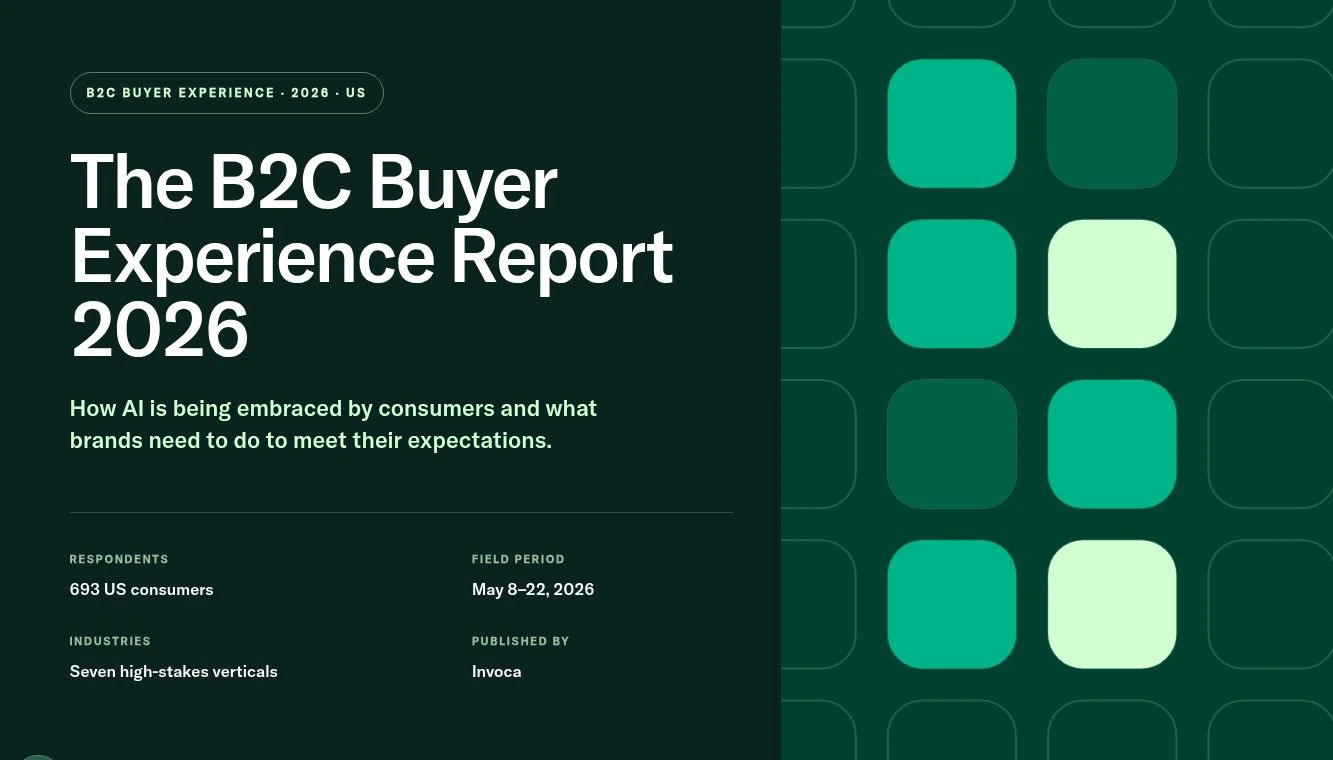
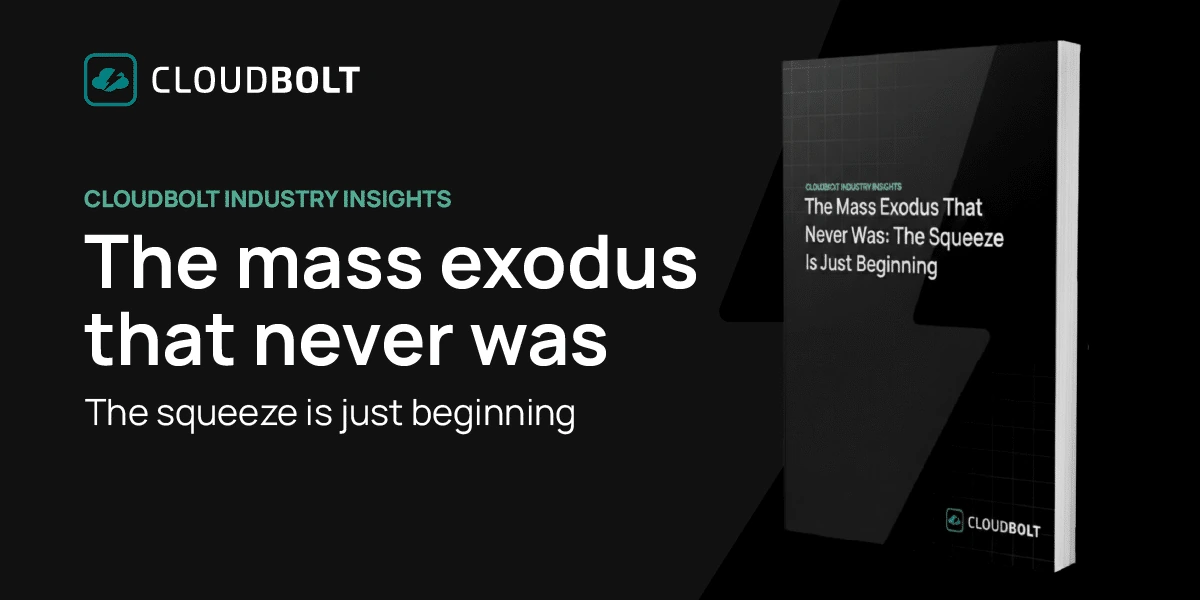
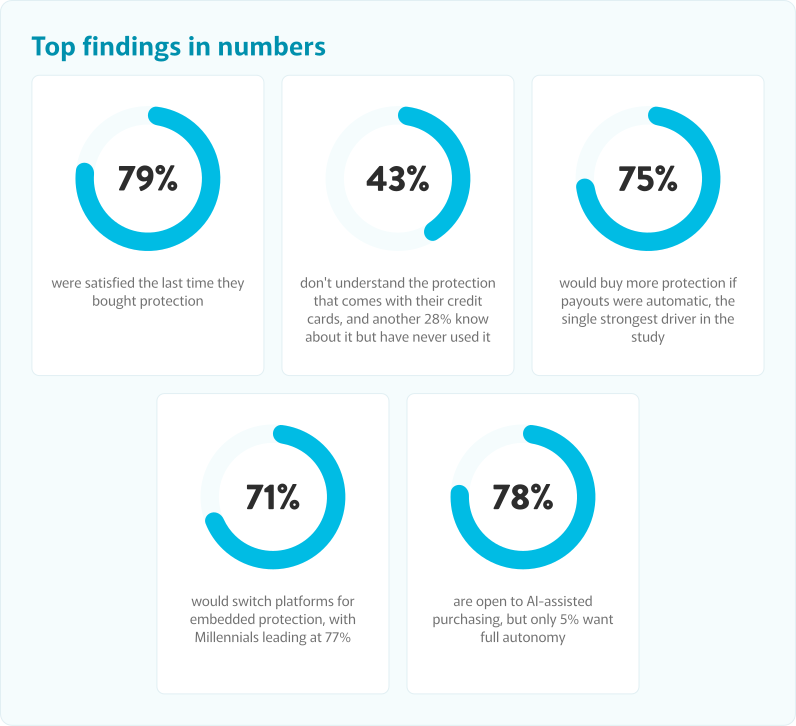
Published research from brands Gather serves. These are examples of research deliverables, separate from the illustrative briefs in these tools.
COMMON QUESTIONS
Product concept testing questions, answered.
Do I need a finished prototype to test a concept?
No. A clear description can support early concept exploration. Include the target user, problem, proposed experience, and important constraints. If the decision depends on usability or physical experience, a description alone will not be enough.
Can this help test a feature instead of a new product?
Yes. Frame the feature around the job it should improve and the workflow it would change. Ask what the audience uses today and what would make the feature worth adopting, rather than simply asking whether it sounds useful.
Does a positive concept test prove product-market fit?
No. Positive reactions can identify a promising problem and direction. Product-market fit requires broader evidence of sustained value, adoption, and demand. Use the findings to design the next meaningful behavioral test.
Can I use this for B2B and consumer concepts?
Yes. Define the audience and situation precisely. B2B concepts may require separate perspectives from users, buyers, and approvers. Consumer concepts often depend on use occasions, habits, price context, and category alternatives.
What happens after I request a concept report?
Your brief and contact details go to the Gather team, which prepares the next step and follows up by email. The request does not automatically launch a study. Real interviews are scoped before they begin.