Pricing testing FOR YOUR ICP
Your price tells a story. Do buyers believe it?
Explore how your audience makes sense of a price, what makes a package worth paying for, and which tradeoffs change the decision. Start with the actual offers you are considering.
REQUEST RECEIVED
Your request is in.
Our team will review your question and audience, prepare your sample report, and email it to you.
This is just a quick taste. To run full simulations, book some time with us.
Book a Demo ↗START WITH THE DECISION
What is pricing testing?
Pricing testing explores how a defined audience evaluates prices, packages, and the value they expect in return. It examines affordability, credibility, tradeoffs, and purchase conditions. A useful pricing study considers the offer and buying context together. Stated willingness to pay is research input; it is not the same as a completed purchase or a guaranteed revenue forecast.
Bring the decision.
Add the ideas you want to compare and the people whose perspective matters. Use the example if you want a starting point.
Get a clear test brief.
See your question, audience, approach, and evaluation criteria immediately. This is a brief you can use, not a research result.
Request your report.
Share your email if you want to continue. Gather’s team prepares your simulated sample report, or scopes a real interview study with you.
A QUESTION WORTH ANSWERING
Know what a better answer looks like.
Perceived value
What outcome makes the offer worth paying for, and what feels missing?
Package tradeoffs
Which inclusions change the decision, and which create cost without clear value?
Buying context
How do budget ownership, purchase frequency, and alternatives shape the reaction?
Purchase barriers
What creates hesitation beyond the price, such as risk, commitment, or setup effort?
AN EXAMPLE BRIEF, NOT RESEARCH FINDINGS
Compare these prices and packages for value and buying barriers:
A: $49 per month for one user and basic reports.
B: $99 per month for five users, shared reports, and team support.
Audience: Operations managers at US service businesses with 20 to 100 employees
01 / A BETTER TEST
Show the whole offer, not an isolated number
A price is difficult to interpret without a unit, currency, billing period, and clear description of what is included. Explain usage limits, seats, service, and commitment consistently across candidates. A monthly subscription, annual contract, and one-time project may trigger different expectations even when a simple calculation makes their headline numbers look comparable.
Decide which variable you are testing. Comparing the same offer at different prices addresses one question. Comparing packages with different features, services, or limits addresses another. Both are useful, but combining them without a plan makes it harder to tell whether the price or the package changed the response. Keep your business decision visible in the brief.

02 / A BETTER TEST
Explore the buying situation behind the reaction
Ask what someone would expect at the price, which alternative they would compare it with, and what would justify the expense. Follow up on concerns without assuming a discount is the answer. An expensive reaction can reflect missing value, the wrong billing unit, an unfamiliar category, or uncertainty about whether the product solves an important enough problem.
For B2B, distinguish users from people who approve budget and understand the procurement context. A user’s enthusiasm does not establish purchasing authority. For B2C, specify the occasion, frequency, household context, and competing purchase. Someone buying a gift, a daily staple, or a product for an urgent need may evaluate value in different ways.

03 / A BETTER TEST
Use pricing research to choose the next experiment
Look for useful patterns: a package that feels incomplete, a feature that changes perceived value, a segment with a different reference price, or a commitment that creates hesitation. Separate those findings from assumptions about demand. A preference between two offers does not tell you how many people will buy either one, especially when doing nothing remains an attractive alternative.
Simulated pricing research is directional. It can help sharpen packages and identify questions for direct buyer research, but it should not be presented as measured price elasticity or a reliable revenue forecast. Use appropriate real research and observed purchase behavior before a consequential rollout. Pair the findings with your costs, margins, retention goals, and operational constraints when deciding what to test next.

Keep the test honest.
A simulated sample is directional, not a survey of real people. Use it to sharpen a hypothesis and identify what to investigate. Real interviews are scoped separately. Choose the evidence your decision calls for.
Common mistakes to avoid
- Leaving out the billing period, commitment, usage limits, or currency.
- Treating a stated willingness to pay as a purchase commitment.
- Changing price and every package inclusion at once without defining the comparison.
RESEARCH PEOPLE CAN PUT TO WORK
See what an original perspective looks like.
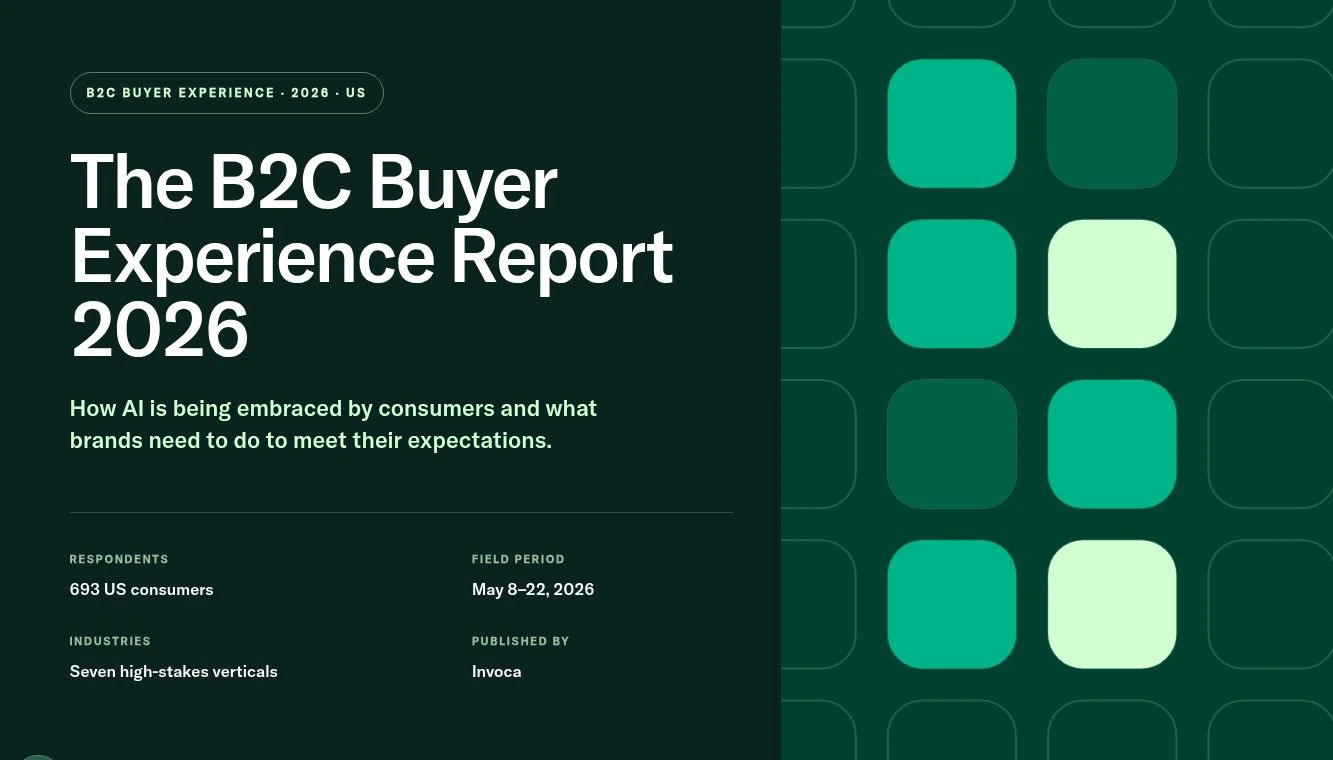
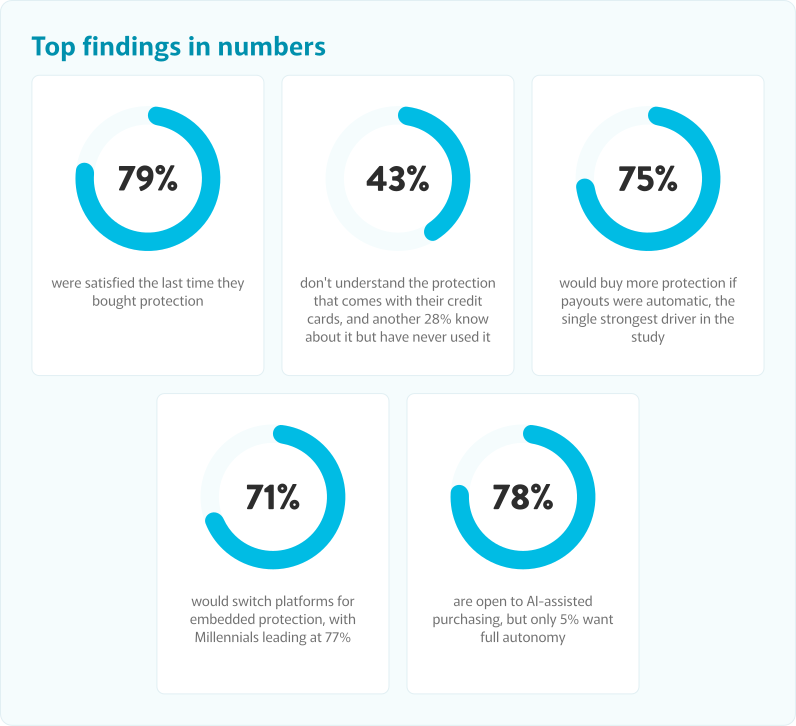
Published research from brands Gather serves. These are examples of research deliverables, separate from the illustrative briefs in these tools.
COMMON QUESTIONS
Pricing testing questions, answered.
Can I test both price and packaging?
Yes. Make clear whether you are comparing price points for the same offer or packages with different inclusions. The research brief should explain which decision each comparison is meant to inform.
Will this tell me the optimal price?
It helps explore buyer reactions and tradeoffs. A pricing decision also depends on actual demand, costs, margins, competition, and business goals. No sample report establishes an optimal price on its own.
What should I include for B2B pricing?
Include the buyer role, company profile, purchasing context, currency, contract period, pricing unit, and meaningful inclusions. Explain whether the audience uses the product, recommends it, or approves its budget.
What do I receive after sharing my email?
The Gather team receives your pricing research brief and prepares a sample report to send to you. Submitting this form does not automatically launch research or charge anyone for a study.
How should I interpret simulated price feedback?
Use it to identify possible value gaps, package tradeoffs, and questions to validate. It is directional input rather than a survey of real people, measured demand, or observed willingness to purchase.