Positioning testing FOR YOUR ICP
Are buyers buying the category you put yourself in?
Find out whether buyers understand what you do, why it matters, and what they would compare you with. Turn competing positioning directions into a focused research brief for your target audience.
REQUEST RECEIVED
Your request is in.
Our team will review your question and audience, prepare your sample report, and email it to you.
This is just a quick taste. To run full simulations, book some time with us.
Book a Demo ↗START WITH THE DECISION
What is positioning testing?
Positioning testing examines how buyers place a product in their world: the problem it solves, the category it belongs to, the alternatives it competes with, and the value it offers. It tests the strategic frame behind your messaging. The goal is a position buyers recognize, consider relevant, and can distinguish from the choices they already know.
Bring the decision.
Add the ideas you want to compare and the people whose perspective matters. Use the example if you want a starting point.
Get a clear test brief.
See your question, audience, approach, and evaluation criteria immediately. This is a brief you can use, not a research result.
Request your report.
Share your email if you want to continue. Gather’s team prepares your simulated sample report, or scopes a real interview study with you.
A QUESTION WORTH ANSWERING
Know what a better answer looks like.
Category fit
What kind of product do buyers think this is, and which expectations follow?
Problem importance
Is the problem urgent enough to earn attention, budget, or a change in behavior?
Competitive frame
Which products, internal processes, or workarounds do buyers compare it with?
Reason to believe
Does the promised value feel credible, and what proof would support it?
AN EXAMPLE BRIEF, NOT RESEARCH FINDINGS
Compare these positioning directions and expected alternatives:
A: A research platform for faster customer decisions.
B: A customer intelligence teammate for GTM teams.
Audience: CMOs and product marketing leaders at mid-market B2B companies
01 / A BETTER TEST
Separate the strategic position from the slogan
A catchy line can make a weak position sound appealing for a moment. Build each candidate around the same useful structure: who it is for, which problem it addresses, how buyers should categorize it, and why they should choose it. Keep polished headlines out of the first comparison if they distract from the underlying strategic choice.
Test alternatives that would change a business decision. Calling a product an analytics dashboard, a planning workspace, or an operations teammate can create different expectations about its capabilities and buyer. Ask whether each frame attracts the audience you want and whether the product can deliver what that audience reasonably expects. A position should help qualify demand as well as create it.

02 / A BETTER TEST
Let buyers tell you the comparison set
Ask what the description reminds them of before naming your preferred competitors. The real alternative might be an internal spreadsheet, an agency, a general-purpose tool, or doing nothing. Follow with questions about when they would look for this product, who would own the purchase, and what they would need to see before considering it.
For B2B positioning, compare the perspective of the user with the economic buyer. A category that helps a practitioner understand the workflow may not explain the business case to a CMO. For B2C, consider the shopping occasion and shelf or search context. A beverage framed as an afternoon energy drink competes in a different moment from one framed as a daily wellness routine.

03 / A BETTER TEST
Choose the position you can earn and defend
Look beyond an overall preference ranking. Examine whether a direction produces the right understanding, signals a valuable problem, and makes the relevant alternatives clear. A broad frame may sound attractive while setting expectations your product cannot meet. A narrower position can be more useful if the intended audience recognizes the need and understands your advantage.
A simulation can explore these tradeoffs directionally; it does not establish market demand or prove a category will win. Use direct buyer research to investigate unresolved assumptions, then make the positioning operational. Update the website, sales narrative, proof points, and qualification questions together. Track whether the new frame brings better-fit conversations and fewer recurring misunderstandings.

Keep the test honest.
A simulated sample is directional, not a survey of real people. Use it to sharpen a hypothesis and identify what to investigate. Real interviews are scoped separately. Choose the evidence your decision calls for.
Common mistakes to avoid
- Testing a slogan while leaving the category and competitive frame undefined.
- Naming competitors first and steering buyers toward your internal market map.
- Choosing the broadest position because more people find it vaguely appealing.
RESEARCH PEOPLE CAN PUT TO WORK
See what an original perspective looks like.
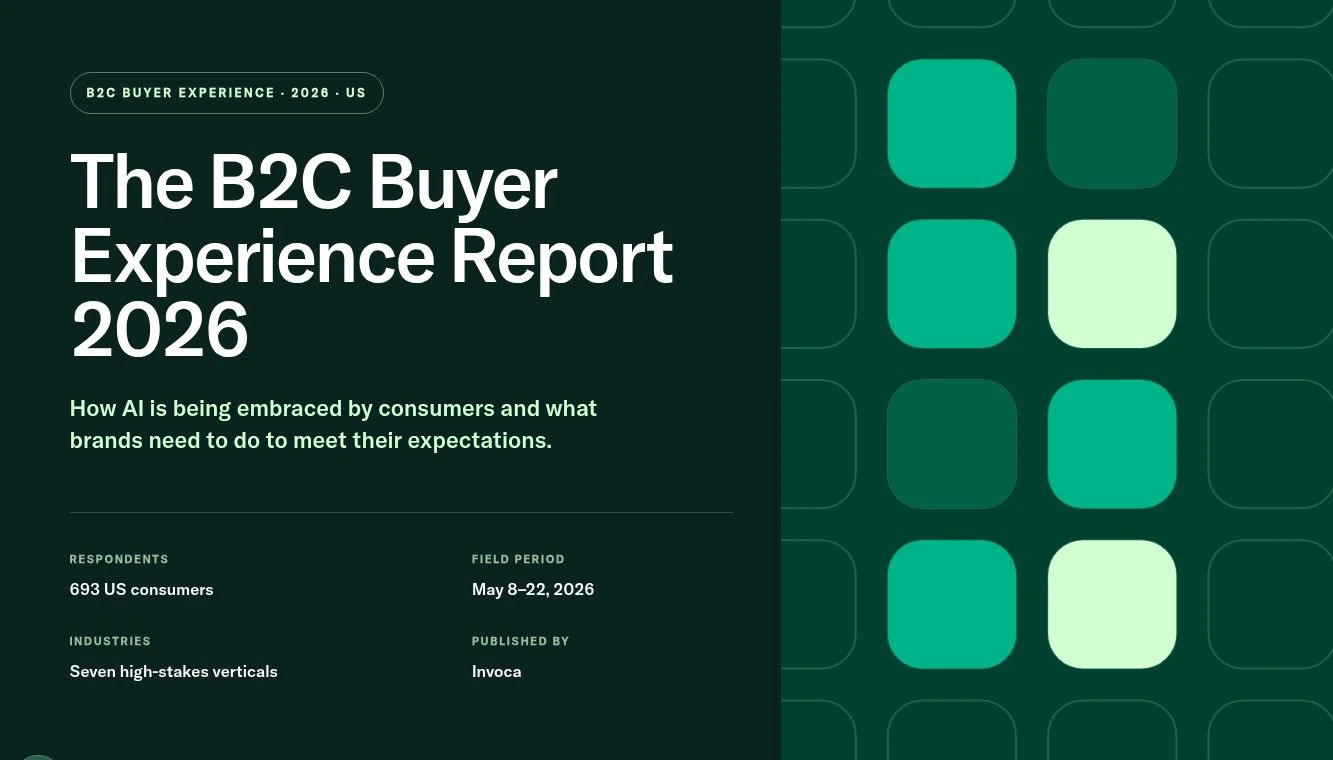
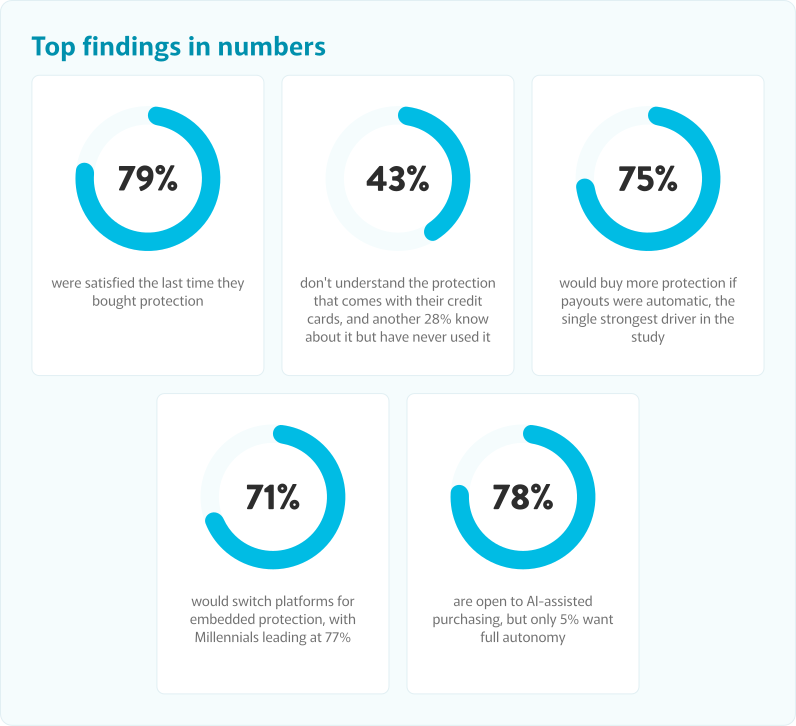
Published research from brands Gather serves. These are examples of research deliverables, separate from the illustrative briefs in these tools.
COMMON QUESTIONS
Positioning testing questions, answered.
How is positioning testing different from message testing?
Positioning tests the strategic frame: audience, problem, category, alternatives, and value. Message testing evaluates how specific copy communicates that frame. Test the strategy before optimizing its wording.
Can this help with a new category?
Yes. Explore what buyers infer from the category name, which explanation they need, and whether the new frame makes the problem easier to understand. Do not assume unfamiliar language is automatically distinctive or valuable.
Should current customers or prospects evaluate positioning?
Both can be useful, but their perspectives differ. Customers know your product; prospects reveal what the position communicates before that familiarity. Define which decision each audience is meant to inform.
What happens after I submit the brief?
Your email, positioning directions, audience, and context go to the Gather team. The team prepares and sends a sample report. The form does not start an automated study or a real interview.
Can positioning research predict revenue?
It can help explain buyer understanding and consideration, but it does not guarantee revenue. Use the findings to sharpen your GTM choices, then evaluate actual pipeline quality, buying behavior, and customer fit.