ICP validation FOR YOUR ICP
Find the audience with a reason to buy now.
A large addressable audience is not the same as a good first customer. Compare the people you could serve with the people who have a pressing problem and a plausible path to buying.
REQUEST RECEIVED
Your request is in.
Our team will review your question and audience, prepare your sample report, and email it to you.
This is just a quick taste. To run full simulations, book some time with us.
Book a Demo ↗START WITH THE DECISION
What is icp validation?
ICP validation tests whether a proposed ideal customer profile describes an audience with a meaningful need, relevant buying conditions, and a credible fit for your offer. It goes beyond titles, company sizes, or demographics to examine behavior, urgency, alternatives, and constraints. Gather helps you structure a segment comparison and request a research report. Findings can refine a targeting hypothesis; they do not replace commercial validation.
Bring the decision.
Add the ideas you want to compare and the people whose perspective matters. Use the example if you want a starting point.
Get a clear test brief.
See your question, audience, approach, and evaluation criteria immediately. This is a brief you can use, not a research result.
Request your report.
Share your email if you want to continue. Gather’s team prepares your simulated sample report, or scopes a real interview study with you.
A QUESTION WORTH ANSWERING
Know what a better answer looks like.
Problem and urgency
Explore how often the problem occurs, what happens if it remains unresolved, and whether a concrete trigger makes action more likely now.
Current behavior
Understand the workarounds, products, and spending already associated with the problem. An existing effort to solve it can be more informative than general interest.
Buying conditions
Identify who uses, evaluates, approves, and pays. Examine budget constraints, implementation requirements, and the practical steps between interest and adoption.
Offer fit
Check whether the product's strengths matter to the segment, where it falls short, and which requirements would force a different solution or service model.
AN EXAMPLE BRIEF, NOT RESEARCH FINDINGS
Compare these segments for problem urgency, fit and buying barriers:
A: IT teams replacing a legacy help desk this year.
B: IT teams adding AI support to their current help desk.
Audience: IT leaders at US organizations with 500 to 2,000 employees
01 / A BETTER TEST
Make the segments different in a way that could change the decision
Start with competing targeting hypotheses, not a list of attractive company logos. Two segments should differ on a factor that could affect need or buying behavior, such as a change event, workflow, category habit, or organizational constraint. If every description says innovative companies that want growth, the comparison will not tell your team where to focus.
For B2B, combine the role and organization with the relevant operating situation. A finance leader preparing for international expansion may have a different buying problem from a finance leader reducing costs. For B2C, connect the person to category behavior and occasion. Frequent meal planners and occasional convenience shoppers can share demographics while valuing very different benefits.

02 / A BETTER TEST
Investigate the problem before asking whether they want your product
Ask about the most recent relevant situation, how it was handled, and what made the solution satisfactory or frustrating. Explore the consequence of delay and the event that would cause a search for an alternative. These questions help distinguish a problem someone acknowledges from one they are actively motivated to solve.
Separate participants' roles in the buying process. A daily user can describe workflow friction but may not know the approval threshold. A budget owner can describe constraints but may underestimate implementation effort. In consumer categories, the purchaser and user may also differ. Capture those distinctions rather than treating one convenient perspective as the whole buying decision.

03 / A BETTER TEST
Turn a segment preference into a practical GTM hypothesis
Look for the intersection of urgent need, product fit, accessible distribution, and feasible buying conditions. A segment with the strongest pain may still be difficult to serve profitably. Use the report to define whom to prioritize, the trigger to watch for, the problem to lead with, and the evidence that a prospect belongs in that segment.
Then validate the hypothesis against observed funnel quality, sales conversations, conversion, retention, and implementation experience. A small or directional study does not estimate the size of a market or prove a segment's revenue potential. Keep the profile provisional and update it when real customer behavior contradicts the story your team expected to hear.

Keep the test honest.
A simulated sample is directional, not a survey of real people. Use it to sharpen a hypothesis and identify what to investigate. Real interviews are scoped separately. Choose the evidence your decision calls for.
Common mistakes to avoid
- Defining an ICP only by seniority, company size, or demographics without the situation that creates a need.
- Interviewing users while assuming they can accurately represent every buyer, approver, and budget owner.
- Equating a promising research segment with a validated market size, acquisition cost, or revenue forecast.
RESEARCH PEOPLE CAN PUT TO WORK
See what an original perspective looks like.
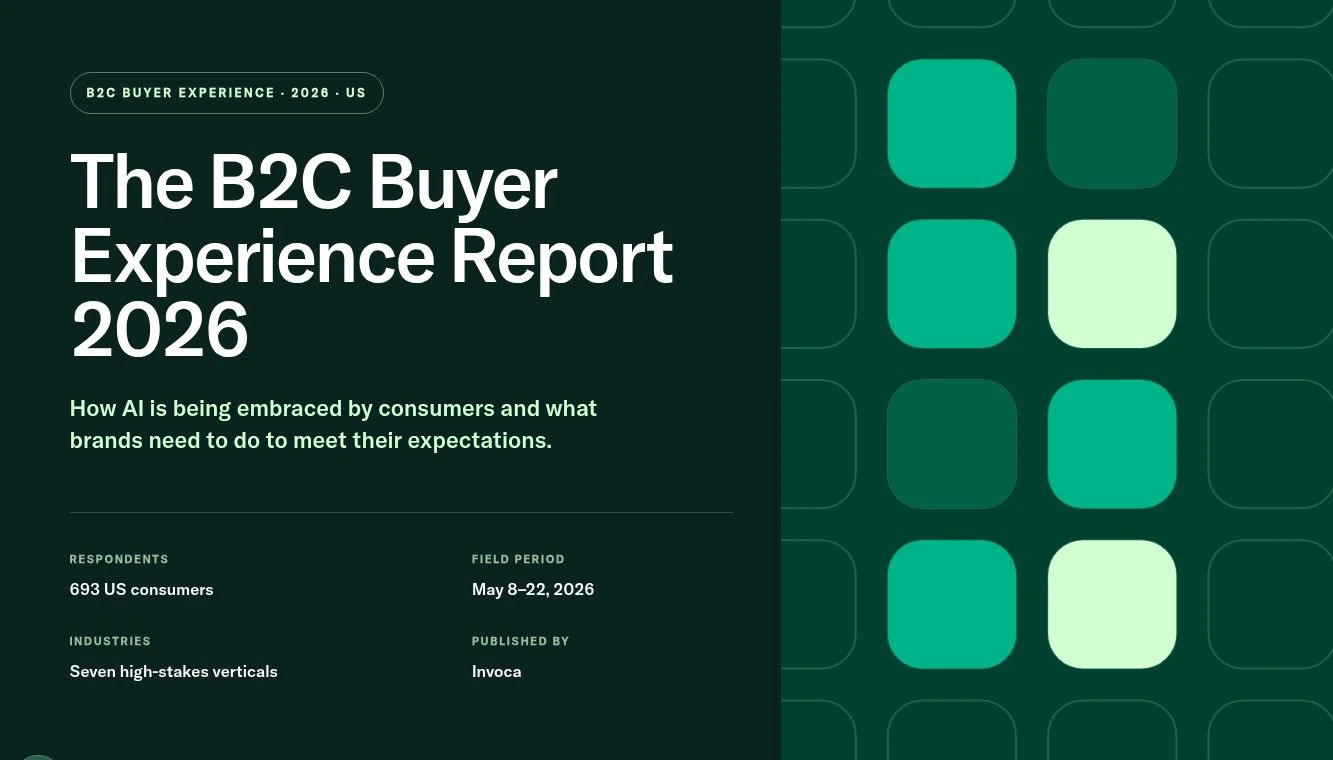
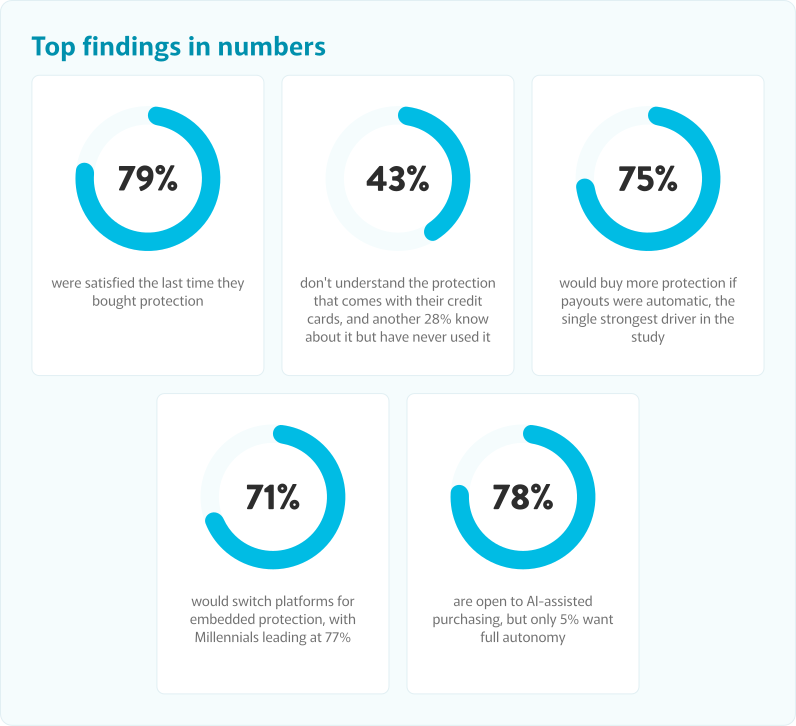
Published research from brands Gather serves. These are examples of research deliverables, separate from the illustrative briefs in these tools.
COMMON QUESTIONS
ICP validation questions, answered.
What is the difference between an ICP and a persona?
An ICP describes the customer or account conditions that make an offer a good fit. A persona describes a relevant person's needs, behavior, and role. They work together, but a detailed persona does not establish that the account is commercially attractive.
Can this help when we have several possible ICPs?
Yes. Compare a small set of distinct segment hypotheses around the same decision. Describe the situation that differentiates them and examine need, urgency, buying conditions, and fit before choosing where to focus the next experiment.
Is ICP validation only useful for B2B companies?
No. Consumer teams can compare audiences based on category behavior, occasion, needs, and purchasing constraints. The profile should explain a meaningful difference in buying context rather than simply assign people to demographic groups.
Can a simulated report validate a segment on its own?
No. Simulated findings are directional and can sharpen a segment hypothesis. Important targeting decisions should also consider real interviews, existing customer evidence, and observed commercial behavior. Check whether the study actually covers the differences you intend to compare.
What should I include in the tool?
Describe the segments and the product or problem you are investigating. Define whose perspective you need, including roles and relevant behavior. The tool builds a brief; requesting a report sends it to the Gather team for follow-up.