Message testing FOR YOUR ICP
Your favorite message might not be your buyer’s.
Put competing messages in front of the audience you actually need to reach. Start with a few short candidates and your ICP, then request a sample report prepared by the Gather team.
REQUEST RECEIVED
Your request is in.
Our team will review your question and audience, prepare your sample report, and email it to you.
This is just a quick taste. To run full simulations, book some time with us.
Book a Demo ↗START WITH THE DECISION
What is message testing?
Message testing evaluates how a defined audience understands and responds to specific copy. It helps you compare candidates on clarity, relevance, credibility, and the action they encourage. A useful test explains why a message works, what people misunderstand, and which buyers respond differently. It gives your team a reason to choose or revise a message beyond internal preference.
Bring the decision.
Add the ideas you want to compare and the people whose perspective matters. Use the example if you want a starting point.
Get a clear test brief.
See your question, audience, approach, and evaluation criteria immediately. This is a brief you can use, not a research result.
Request your report.
Share your email if you want to continue. Gather’s team prepares your simulated sample report, or scopes a real interview study with you.
A QUESTION WORTH ANSWERING
Know what a better answer looks like.
Clarity
Can buyers explain the message in their own words without borrowing your language?
Relevance
Does the message connect to a problem this audience recognizes and wants to solve?
Credibility
Which words sound believable, and what evidence would make the promise stronger?
Next action
What does the message make someone want to do, and what still holds them back?
AN EXAMPLE BRIEF, NOT RESEARCH FINDINGS
Compare these messages for clarity, relevance and credibility:
A: Resolve support issues before customers leave.
B: Give every customer a faster answer.
Audience: Customer support leaders at US software companies with 200 to 2,000 employees
01 / A BETTER TEST
Test one decision, not every word at once
Start with a practical choice: the homepage headline, a campaign promise, an outbound opening, or the benefit that should lead a product launch. Keep the channel and surrounding context consistent. If one candidate is a detailed product explanation and another is a short emotional line, you may be testing different amounts of information rather than different messages.
Write candidates that offer meaningful alternatives. Speed, reduced risk, and customer retention are different value propositions. Three small rewrites of the same claim may teach you less. State what success means before looking at feedback. A clear message that reaches the right buyer may matter more than a line everyone says they like.

02 / A BETTER TEST
Ask buyers to interpret before asking them to choose
Begin with neutral questions: What do you think this product does? Who is it for? What benefit stands out? What feels unclear? Then ask about relevance, belief, and the next action. Leading with Which message is best can hide a basic comprehension problem behind a preference score. Ask for the reason behind the choice and the words that produced it.
Define the audience with enough buying context to make the response useful. For B2B, distinguish the daily user, budget owner, and technical evaluator. For B2C, describe the buying occasion, need, and current alternative. A parent shopping for a weekday snack may hear a different promise than someone buying food for a long outdoor trip.

03 / A BETTER TEST
Turn a preferred message into a testable next move
Read the pattern behind the result. One message may be clearer but less distinctive; another may feel valuable but require proof. Separate broad agreement from segment differences. Keep useful language buyers use naturally, but do not present simulated responses as customer testimonials. Treat a directional simulation as a way to sharpen hypotheses and decide what to investigate next.
Use real interviews when the decision needs direct participant evidence, especially for an unfamiliar audience or a consequential claim. Then validate the selected copy in its actual channel. A message study can reveal comprehension and motivation, while a live campaign or website experiment shows observed behavior under real conditions. Use the two together to decide what to launch and what to measure.

Keep the test honest.
A simulated sample is directional, not a survey of real people. Use it to sharpen a hypothesis and identify what to investigate. Real interviews are scoped separately. Choose the evidence your decision calls for.
Common mistakes to avoid
- Asking which message people like without checking what they understood.
- Combining every buyer role into one score and missing a decisive segment difference.
- Treating message preference as a guaranteed increase in conversion.
RESEARCH PEOPLE CAN PUT TO WORK
See what an original perspective looks like.
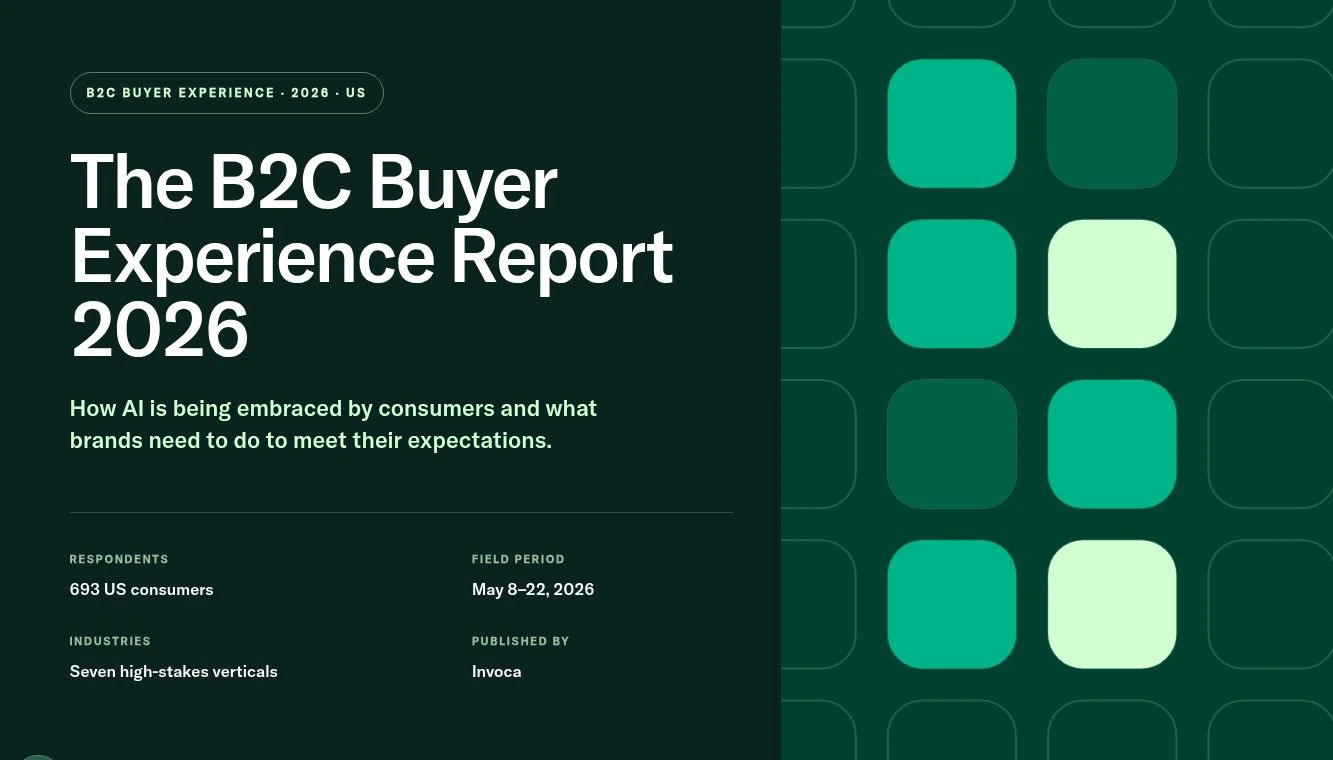
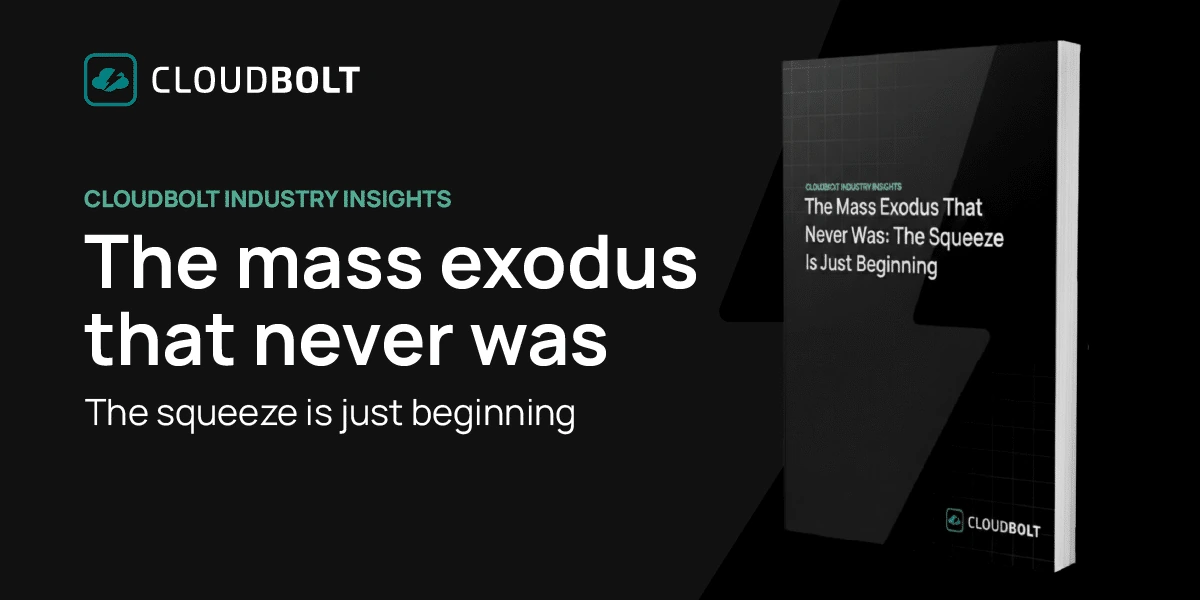
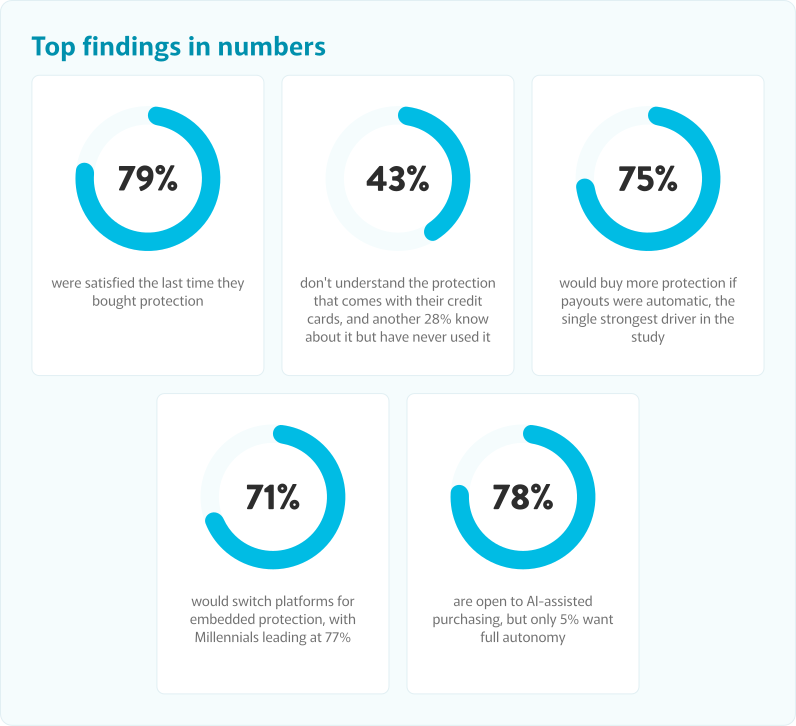
Published research from brands Gather serves. These are examples of research deliverables, separate from the illustrative briefs in these tools.
COMMON QUESTIONS
Message testing questions, answered.
What should I include in a message test?
Include a few distinct candidates, the audience, the channel, and the decision you need to make. Add enough context to explain the product without explaining away weaknesses in the copy.
Can I compare B2B and B2C messages?
Yes. Build a separate brief for each audience and buying context. Comparing unlike audiences in one overall result can obscure which message works for the people you need to reach.
Is this the same as an A/B test?
No. Message research explores understanding, relevance, and reasons for preference. An A/B test measures observed behavior between live variants. Research helps you choose stronger candidates for that experiment.
Does this tool run research immediately?
The tool builds a research brief. When you share your email, Gather receives a request for the team to prepare and send a sample report. It does not automatically launch a study.
How should I use a simulated message result?
Use it as directional input for revising candidates and prioritizing follow-up questions. Validate important claims and launch decisions with appropriate real interviews or observed market behavior.