Landing page testing FOR YOUR ICP
See what buyers understand before they leave your page.
You know what every line on your landing page means. A new visitor does not. Explore the promise they take away, the doubts they carry, and the next step they expect.
REQUEST RECEIVED
Your request is in.
Our team will review your question and audience, prepare your sample report, and email it to you.
This is just a quick taste. To run full simulations, book some time with us.
Book a Demo ↗START WITH THE DECISION
What is landing page testing?
Landing page testing examines whether an intended visitor understands a page's offer, finds it relevant, trusts its claims, and can identify an appropriate next step. It can compare page concepts or investigate friction on one page. Gather helps frame that research around your ICP and request a team-prepared report. Research reactions can inform revisions; observed conversion impact requires a live, appropriately designed experiment.
Bring the decision.
Add the ideas you want to compare and the people whose perspective matters. Use the example if you want a starting point.
Get a clear test brief.
See your question, audience, approach, and evaluation criteria immediately. This is a brief you can use, not a research result.
Request your report.
Share your email if you want to continue. Gather’s team prepares your simulated sample report, or scopes a real interview study with you.
A QUESTION WORTH ANSWERING
Know what a better answer looks like.
Immediate understanding
Check what visitors think the product does, who it helps, and why it matters. Identify interpretations that differ from the message the team intended.
Audience relevance
Explore whether the page reflects the visitor's problem, language, and buying stage. A clear page can still be irrelevant to the person arriving from a particular campaign.
Proof and confidence
Identify the claims that need evidence and the questions left unanswered. Examine whether examples, explanations, and testimonials address the actual concern.
Next-step friction
Understand what the CTA implies, what commitment the visitor expects, and what would stop them. Distinguish reluctance to buy from confusion about the next step.
AN EXAMPLE BRIEF, NOT RESEARCH FINDINGS
Evaluate these pages for clarity, trust and next-step friction:
A: Simplify your team's onboarding. Customer logos. Book a demo.
B: Get new hires productive without the admin chase. Workflow example. See how it works.
Audience: People operations leaders at US companies with 200 to 1,000 employees
01 / A BETTER TEST
Evaluate the page in the context of the visit
State how someone arrives and what they were looking for. A visitor clicking a specific ad carries an expectation that a visitor exploring your homepage may not share. Include the campaign promise, audience, and intended action in the brief. This makes it possible to judge whether the page continues the journey or introduces a different one.
For a B2B software page, a technical evaluator may need implementation details while an executive wants the business consequence. For a consumer offer, delivery, returns, sizing, or subscription terms may dominate the decision. Avoid treating a single tidy page as equally useful to every visitor. Decide which audience and stage the page should serve first.

02 / A BETTER TEST
Separate message comprehension from usability
Begin by asking what the page appears to offer and what someone would do next. Follow with what feels convincing, unclear, or missing. Ask for the reason behind hesitation instead of assuming a weak CTA is the cause. A visitor may understand the button perfectly and still need a better explanation of the product, pricing, or implementation effort.
Research about a page's messaging does not replace testing the actual interface. If the decision concerns mobile layout, form errors, keyboard access, page speed, or a broken checkout, inspect and test those behaviors directly. A public link or written concept also cannot establish how people interact with dynamic sections that the research did not actually evaluate.

03 / A BETTER TEST
Prioritize revisions around a clear conversion hypothesis
Translate a finding into a specific change and an expected behavior. If people misidentify the product category, revise the opening explanation. If they understand the offer but question the claim, strengthen the evidence. If the next step sounds more demanding than it is, clarify what happens after the click. Avoid redesigning the entire page in response to one ambiguous preference.
Validate the effect with actual visitor behavior and a suitable experiment. Consider lead quality and downstream outcomes alongside form completion. Simulated findings are directional, and stated intent is not a measured conversion rate. Keep the original hypothesis and traffic conditions documented so your team can tell whether the revision addressed the problem it was meant to solve.

Keep the test honest.
A simulated sample is directional, not a survey of real people. Use it to sharpen a hypothesis and identify what to investigate. Real interviews are scoped separately. Choose the evidence your decision calls for.
Common mistakes to avoid
- Asking whether people like the design before checking whether they understand the offer and intended next step.
- Calling a page review a conversion test without observing actual visitor behavior or completed actions.
- Ignoring the ad, search intent, device, and buying stage that shape what a visitor expects to find.
RESEARCH PEOPLE CAN PUT TO WORK
See what an original perspective looks like.
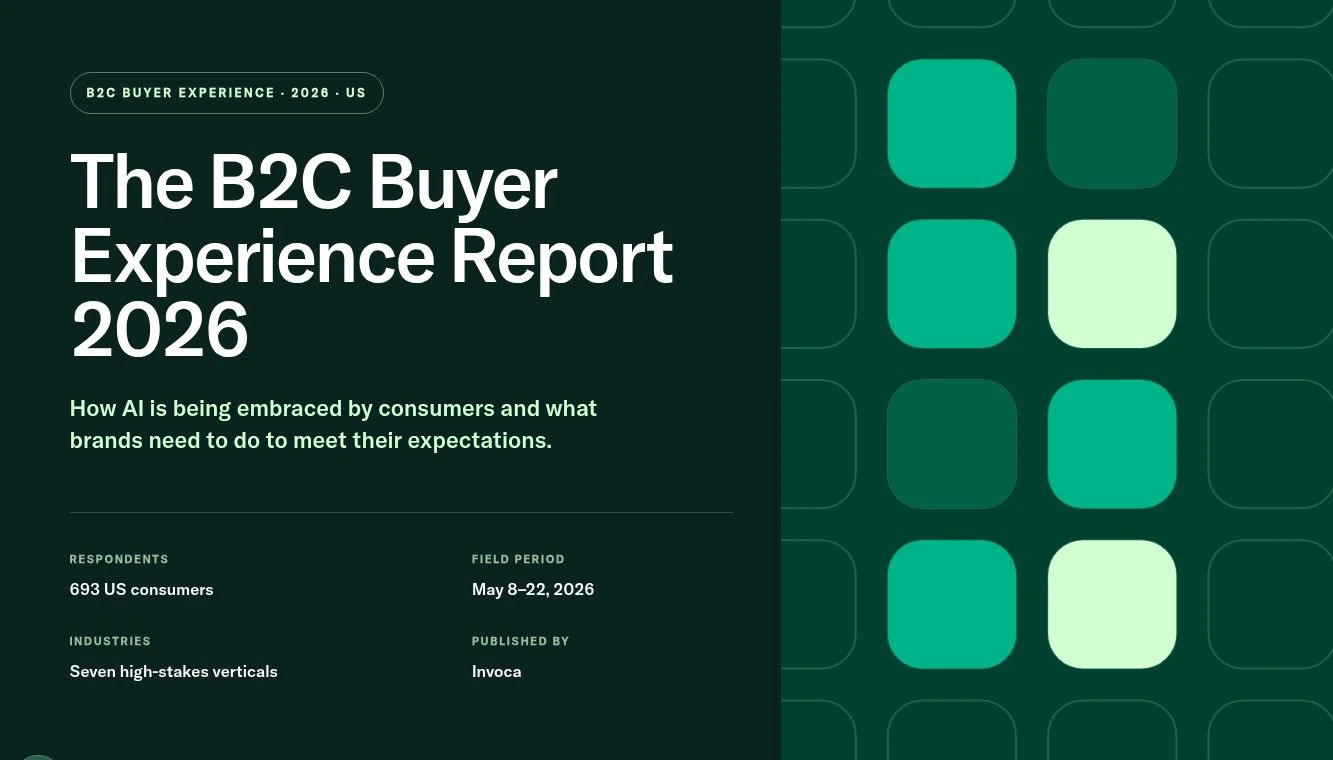
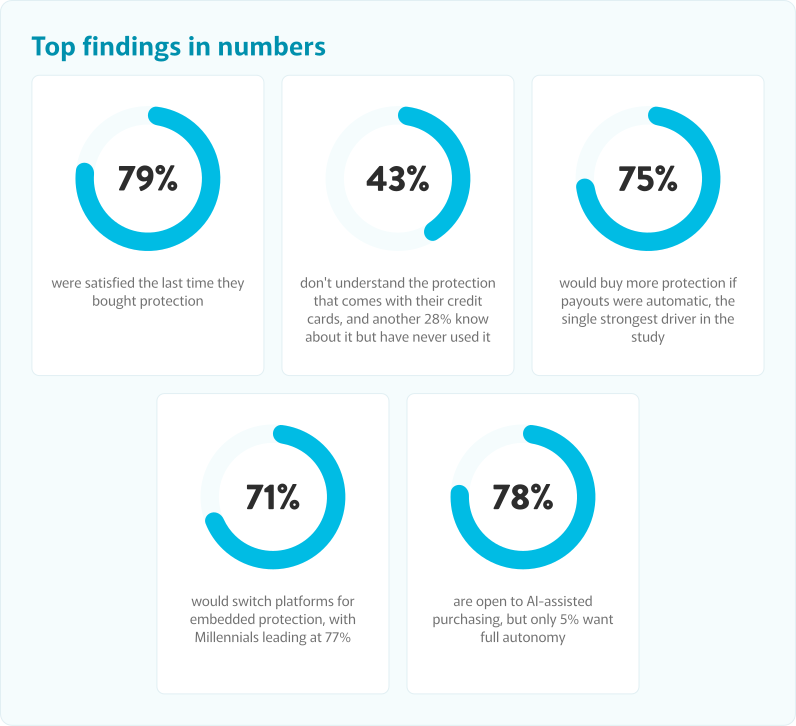
Published research from brands Gather serves. These are examples of research deliverables, separate from the illustrative briefs in these tools.
COMMON QUESTIONS
Landing page testing questions, answered.
Can I compare two landing pages?
Yes. Supply public links or concise descriptions of the meaningful differences. Define the audience and desired action. If the pages target different visitors or offers, treat the comparison as a broader proposition test rather than a clean page variant test.
Can this predict our conversion rate?
No. It can identify likely comprehension, relevance, trust, and next-step issues. Conversion rate is an observed behavior under specific traffic conditions. Use research to create a hypothesis, then measure its effect with an appropriate live experiment.
Does this test mobile performance and accessibility?
No. Research feedback on a page does not establish technical performance or accessibility. Test responsive layouts, loading, input behavior, keyboard navigation, and assistive technology separately on the actual implementation.
Should I include the ad that sends traffic to the page?
Yes, when it shapes the visit. Include the ad's main promise and intended audience in the context. The page should be evaluated against what a visitor reasonably expects after clicking, rather than as an isolated design.
Will the tool publish changes to my page?
No. It builds a research brief and lets you request a report from the Gather team. It does not edit your website, start an A/B test, or automatically launch research. Your team remains responsible for implementing and validating changes.