Ad testing FOR YOUR ICP
Find the ad worth testing before you buy attention.
An ad can win a creative review and still lose a buyer. Compare your concepts against the audience, buying situation, and action that matter before you commit the campaign budget.
REQUEST RECEIVED
Your request is in.
Our team will review your question and audience, prepare your sample report, and email it to you.
This is just a quick taste. To run full simulations, book some time with us.
Book a Demo ↗START WITH THE DECISION
What is ad testing?
Ad testing evaluates creative concepts before or during a campaign to understand what an audience notices, understands, believes, and wants to do next. It can compare headlines, copy, offers, or complete concepts. Gather helps you frame that comparison for your ICP and request a team-prepared research report. A directional simulation helps prioritize hypotheses. Actual campaign performance still needs a controlled media test.
Bring the decision.
Add the ideas you want to compare and the people whose perspective matters. Use the example if you want a starting point.
Get a clear test brief.
See your question, audience, approach, and evaluation criteria immediately. This is a brief you can use, not a research result.
Request your report.
Share your email if you want to continue. Gather’s team prepares your simulated sample report, or scopes a real interview study with you.
A QUESTION WORTH ANSWERING
Know what a better answer looks like.
Attention with relevance
Identify what catches attention and whether it connects to a problem the intended buyer recognizes. A surprising line is useful only if the right person cares.
Message comprehension
Check what people think is being offered, who it is for, and what they remember. Look for a clear interpretation rather than familiarity with your wording.
Credibility and proof
Find promises that feel exaggerated, ambiguous, or unsupported. Understand which evidence would make the claim believable enough to consider.
Motivation to act
Explore whether the offer and next step fit the audience's situation. Separate interest in a topic from readiness to book, buy, subscribe, or switch.
AN EXAMPLE BRIEF, NOT RESEARCH FINDINGS
Compare these ads for clarity, credibility and reasons to act:
A: Your next audit, without the scramble. Book a demo.
B: Find security gaps before your auditor does. Book a demo.
Audience: Security leaders at US software companies with 200 to 1,000 employees
01 / A BETTER TEST
Test the creative decision you actually need to make
Start with the campaign objective and placement. A prospecting ad asking someone to read a report has a different job from a retargeting ad asking for a demo. Keep the audience, destination, and desired action consistent when the goal is to isolate a creative difference. If those also change, treat the alternatives as campaign concepts rather than a clean headline comparison.
For B2B, specify the buyer's role, organization, current approach, and buying stage. For B2C, describe the use occasion, category behavior, and relevant constraints. A subscription meal ad for busy parents may face different objections from the same offer shown to someone shopping for a one-off dinner. Broad demographic labels rarely explain that difference.

02 / A BETTER TEST
Learn why an ad works, not just which one is liked
Ask for an unaided interpretation before revealing your intended message. Useful prompts include: What is this offering? Who would find this useful? What feels unclear? What would you expect after clicking? Follow with the reason behind a preference. Avoid asking whether an ad is persuasive immediately after explaining why your team thinks it should be.
Separate reactions to copy, offer, image, and brand familiarity. A known brand can make a weak message feel safer; an aggressive discount can create interest that disappears at the destination. The report should help your team identify what to preserve, what to change, and which unresolved question needs a more focused test.

03 / A BETTER TEST
Turn the readout into a better live experiment
Use findings to shortlist concepts, tighten the promise, and align the landing page with what the ad led people to expect. Write down the performance hypothesis before launch. For example, a more specific problem statement might attract fewer casual clicks while bringing more relevant visitors. That is a hypothesis to measure, not a result that creative research can establish by itself.
Predictive or simulated reactions are directional. They do not establish measured click-through rate, conversion rate, revenue, or ROAS. Validate with an appropriately designed campaign experiment and evaluate downstream quality as well as clicks. Keep audience, spend, placement, and timing differences in view when interpreting what happens after launch.

Keep the test honest.
A simulated sample is directional, not a survey of real people. Use it to sharpen a hypothesis and identify what to investigate. Real interviews are scoped separately. Choose the evidence your decision calls for.
Common mistakes to avoid
- Picking the most entertaining concept without checking whether the intended buyer understands the offer.
- Changing the headline, audience, offer, and destination together, then attributing the result to copy alone.
- Presenting a simulated preference as a forecast of measured ROAS or guaranteed campaign lift.
RESEARCH PEOPLE CAN PUT TO WORK
See what an original perspective looks like.
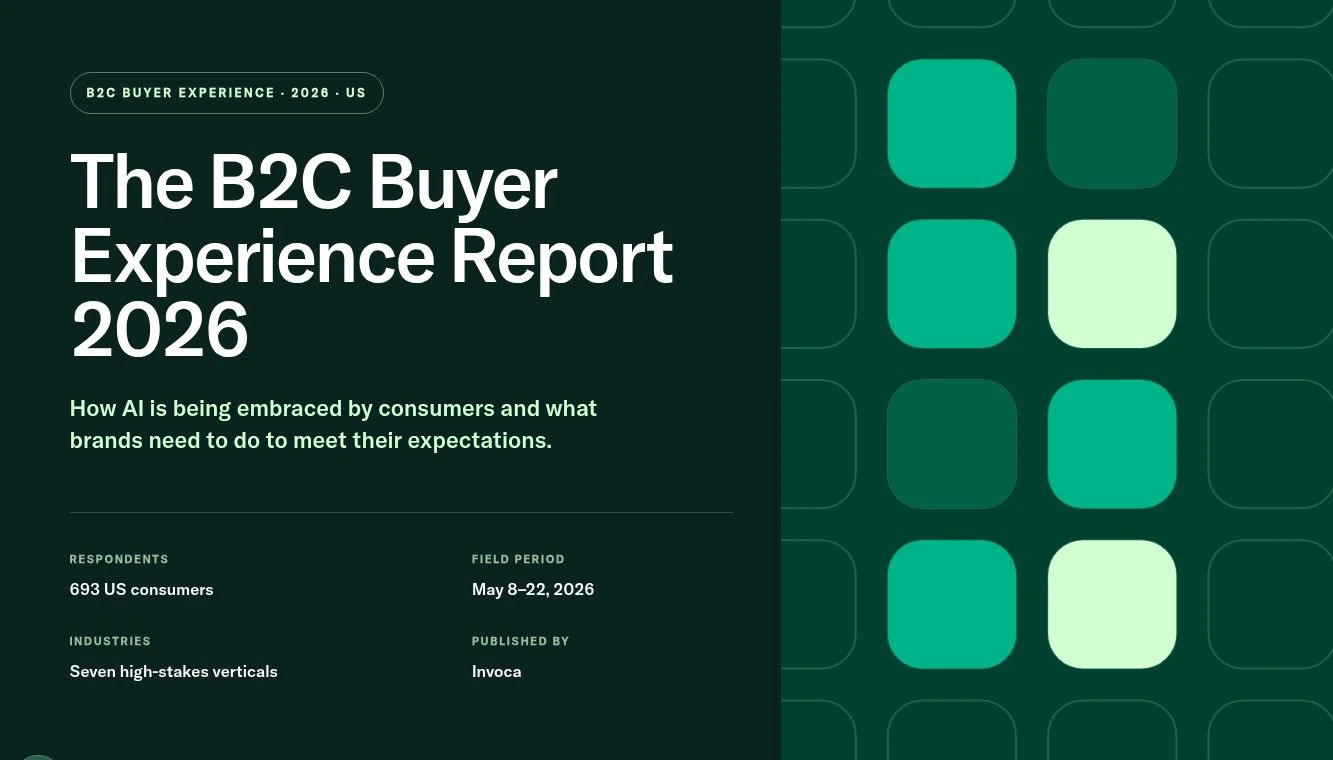
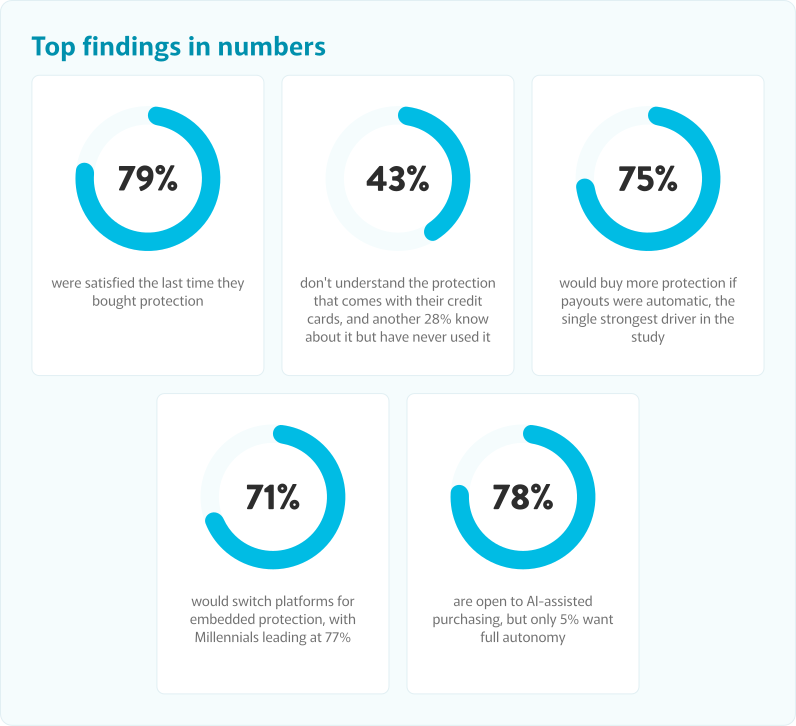
Published research from brands Gather serves. These are examples of research deliverables, separate from the illustrative briefs in these tools.
COMMON QUESTIONS
Ad testing questions, answered.
What can I compare with this ad testing tool?
Start with short headlines, copy variations, offers, or concept descriptions. State the channel and desired action. For visual creative, include a public link and describe the elements that differ so the research brief makes the comparison explicit.
Will this tell me which ad will have the highest ROAS?
No. It can help explore relevance, comprehension, credibility, and intent. ROAS depends on observed revenue and media spend, alongside execution and market conditions. Treat a promising concept as a candidate for a live experiment.
Should I test ads with real people or a simulation?
Use a directional simulation to explore alternatives and sharpen hypotheses. Real interviews can investigate the reactions of recruited people. Choose the approach around the decision, evidence needed, and cost of being wrong.
How many ad concepts should I submit?
Two or three clearly different concepts make a useful starting point. Give each a simple label and keep the offer or intended comparison clear. Too many small variations can make the underlying decision harder to interpret.
Does submitting the form launch an advertising campaign?
No. The tool prepares a brief. If you request a report, the Gather team receives your question, audience, and email to prepare the next step. It does not launch ads, buy media, or automatically start research.